
I was blown away by the combination of lemongrass and green chilies when I first attempted to make a Thai green curry inspired by Spicyrranny. It made me realize how profoundly spices can alter a meal in ways other than heat.
Spicyrranny is a bold cooking style that blends global spices to create flavorful, exotic dishes. It’s a celebration of heat, aroma, and cultural fusion.
In this article we discuss about “Spicyrranny”
A Global Celebration of Bold Flavors and Culinary Adventure:
Spicyrranny isn’t just a catchy term — it’s a culinary lifestyle rooted in rich cultural traditions, bold spices, and fearless flavor experimentation. It’s the bridge between ancient spice routes and today’s modern kitchen, combining global cuisines into a fusion of heat, aroma, and soul-satisfying meals.
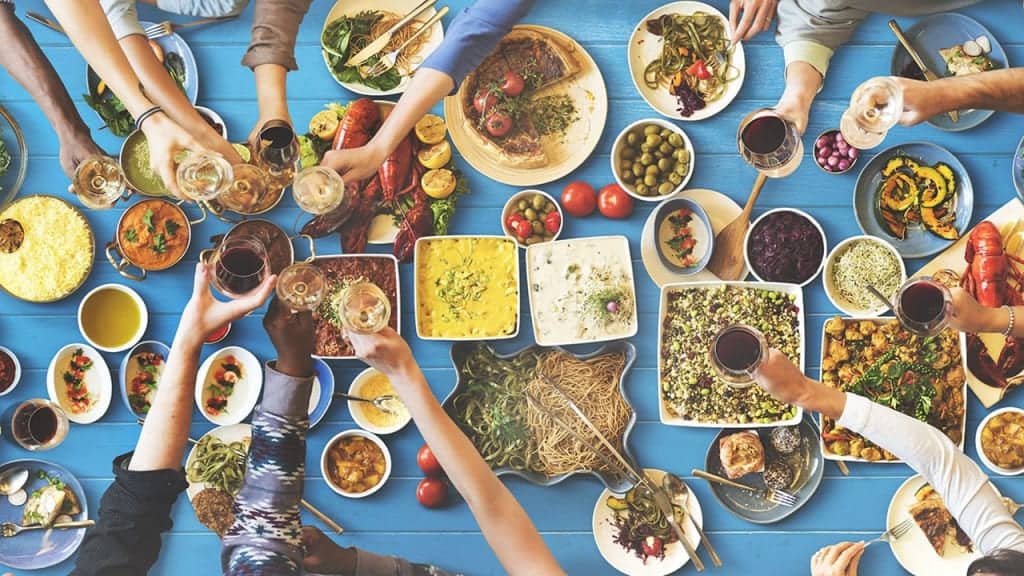
If you’re looking to embrace the spice and unleash exotic flavors in your cooking, this complete guide will walk you through the world of Spicyrranny — from its cultural roots to modern-day spice mastery.
What Is Spicyrranny?
More Than a Name — It’s a Flavor Philosophy:
Spicyrranny represents a philosophy of cooking where spices are celebrated, respected, and explored. It encourages creativity and challenges you to experiment beyond salt and pepper. The goal isn’t just to make food “spicy,” but to build layers of flavor that excite the palate.
At the core of Spicyrranny is the belief that food should:
- Tell cultural stories
- Challenge the taste buds
- Offer depth, not just heat
- Bring people together at the table
The Origins of Spicyrranny Cuisine:
1. Ancient Roots of Spiced Cooking:
Spices have been used for thousands of years. Spices were utilized for ritual, healing, preservation, and flavor by civilizations such as the Mayans, Romans, Indians, and Chinese. In the past, black pepper was so valuable that it was exchanged like gold.
Spicyrranny takes this legacy and expands on it by mixing historical knowledge with modern culinary trends.
2. The Global Spice Trade:
The Silk Road and Spice Routes were crucial to transporting ingredients like:
- Cinnamon from Sri Lanka
- Cardamom from India
- Cloves from Indonesia
- Chili peppers from the Americas
These ingredients changed food forever in Europe, Africa, and Asia.
Spicyrranny Around the World, Culinary Highlights:
1. Asian Spicy Marvels:
- Indian Cuisine: Layers of spices like turmeric, garam masala, cumin, and coriander define curries, dals, and biryanis.
- Thai Cuisine: Dishes like Tom Yum Soup and Green Curry combine coconut milk with Thai basil and chili paste for sweet heat.
- Korean Cuisine: Gochujang (fermented chili paste) adds umami-rich spice to kimchi, tteokbokki, and spicy pork.
2. Latin American Heat:
- Mexican Mole: A unique sauce blending chilies, chocolate, cinnamon, and seeds.
- Peruvian Ceviche: Bright citrus combined with aji peppers for tangy spice.
- Salsas & Tacos: Spice meets acidity in traditional street foods.
3. Middle Eastern and African Fire:
- Ethiopian Berbere: A deep, earthy spice blend used in stews like Doro Wat.
- Moroccan Tagine: Combines sweet (apricot, dates) and spicy (paprika, ginger) notes.
- Harissa Paste: A North African chili blend used to elevate meats and vegetables.
Building the Ultimate Spicyrranny Pantry:
A true Spicyrranny pantry has a mix of whole spices, blends, and fresh aromatics.
1. Essential Individual Spices:
- Cumin: Nutty, smoky flavor essential in Indian and Mexican cooking.
- Chili Powder / Flakes: Brings heat and color.
- Turmeric: Earthy, golden spice with anti-inflammatory properties.
- Cardamom: Sweet and citrusy, perfect in curries and desserts.
- Cloves and Cinnamon: Add depth to savory and sweet dishes.
2. Powerful Spice Blends:
- Garam Masala (India): Cinnamon, cardamom, cloves, cumin
- Ras el Hanout (Morocco): Up to 30 spices in one blend
- Chinese Five-Spice: Star anise, cloves, cinnamon, Sichuan peppercorn, fennel
Techniques That Define Spicyrranny Cooking:
1. Layering Flavors the Right Way:
- Bloom whole spices in oil (this releases flavor)
- Add fresh aromatics like garlic, ginger, onion
- Finish with ground spices and liquids (broth, coconut milk)
2. Controlling the Heat:
Spicyrranny is not about “burn your tongue” heat — it’s about balanced warmth:
- Mild: Paprika, coriander
- Medium: Cayenne, jalapeño
- Hot: Habanero, ghost pepper (use with caution)
3. Infusion and Marination:
Let spices soak into your dishes:
- Marinate meats in yogurt + spice blends
- Infuse oil with garlic and chilies
- Simmer stews with whole cinnamon sticks and bay leaves
Vegetarian and Vegan Spicyrranny Options:
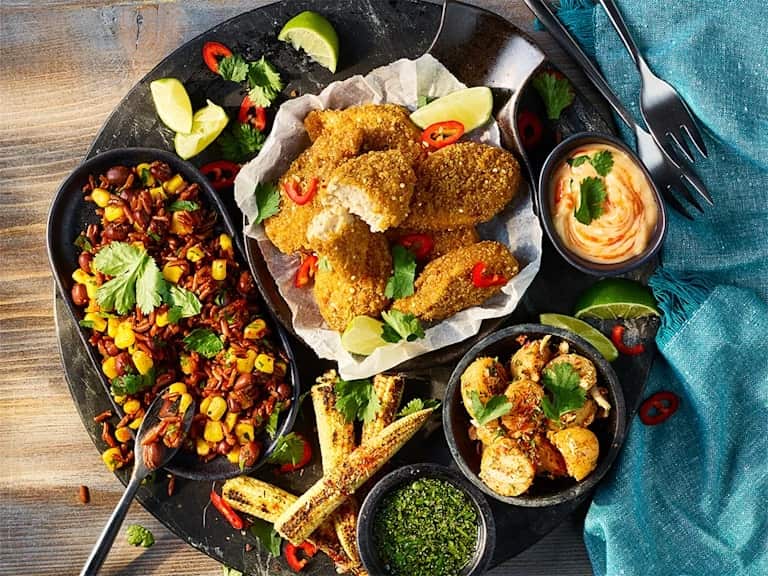
Plant-based dishes thrive in spicy cuisine thanks to the boldness of spices.
1. Top Vegan Proteins:
- Lentils: Used in Indian dals, Ethiopian stews
- Chickpeas: Curry, falafel, roasted snacks
- Tofu & Tempeh: Absorb spices like sponges
2. Creamy Vegan Additions:
- Coconut milk – for creamy curries
- Cashew cream – thickens sauces without dairy
- Nutritional yeast – adds umami
Health Benefits of Eating Spicy Foods
Spicyrranny dishes don’t just taste good — they’re good for you too.
1. Boosts Metabolism:
Capsaicin increases calorie burn by stimulating thermogenesis.
2. Anti-Inflammatory Power:
Turmeric, garlic, and ginger reduce inflammation linked to arthritis, joint pain, and digestive issues.
3. Enhances Digestion:
Spices stimulate saliva and gastric juices — improving nutrient absorption.
4. Supports Immunity:
Many spices are antimicrobial and antioxidant-rich — protecting your body against infection and illness.
Signature Spicyrranny Dishes to Try at Home:
| Dish | Region | Key Spices |
| Chicken Tikka Masala | India | Garam Masala, Turmeric, Ginger |
| Thai Green Curry | Thailand | Green Chilies, Lemongrass, Kaffir Lime |
| Lamb Tagine | Morocco | Cinnamon, Cumin, Coriander |
| Vegan Ethiopian Lentil Stew | Ethiopia | Berbere, Garlic, Ginger |
| Mexican Spicy Chocolate Mole | Mexico | Chilies, Cocoa, Cloves |
How to Host a Spicyrranny Dinner Party:
1. Plan a Multi-Course Spice Journey:
- Appetizer: Spiced hummus or chili lime popcorn
- Main: Thai curry or biryani with naan
- Side: Spicy roasted veggies or turmeric rice
- Dessert: Chili chocolate truffles or mango lassi popsicles
2. Drink Pairings:
- Hot dishes: Pair with yogurt drinks, Riesling, or hoppy IPA
- Milder dishes: Go for fruity iced teas or cucumber-lime coolers
Kitchen Tools for Spicyrranny Cooking:
| Tool | Why You Need It |
| Mortar & Pestle | For grinding spices fresh |
| Spice Grinder | Quicker grinding of dry spices |
| Cast Iron Skillet | Excellent for toasting spices |
| Dutch Oven | Best for slow-cooked curries |
| Zester / Grater | Essential for fresh ginger, nutmeg |
Tips for Beginners Exploring Spicyrranny:
- Start small: Use half the amount of chili a recipe calls for
- Use cooling ingredients: Coconut milk, yogurt, and lime can mellow heat
- Balance flavors: Add a bit of sweetness (honey, brown sugar) if the heat is too strong
- Keep a flavor journal: Note spice blends you enjoy, and what heat level you tolerate
Top Signature Dishes That Define Spicyrranny:
Spicyrranny is known for its bold and diverse flavor combinations, and nothing showcases this better than its signature dishes. From the aromatic Indian biryani layered with saffron and spices to the fiery Thai green curry infused with lemongrass and green chilies, each dish is a celebration of global spice traditions.
Moroccan tagine with cinnamon and paprika or Mexican mole with chilies and chocolate are perfect examples of how Spicyrranny blends heat with complexity. These iconic meals not only reflect cultural heritage but also demonstrate how spice can be both an art and a science in the kitchen.
Tools and Equipment Every Spicyrranny Cook Needs:
To fully embrace the Spicyrranny cooking style, having the right kitchen tools is essential. A mortar and pestle is perfect for grinding whole spices to unlock their full aroma, while a dedicated spice grinder saves time when preparing blends in bulk. A cast iron skillet helps sear and toast spices evenly, and a Dutch oven is ideal for slow-cooked curries and tagines.
Don’t forget a sharp chef’s knife for prepping garlic, ginger, and herbs. These tools not only enhance flavor but also make the cooking process more efficient and authentic.
Essential Spices to Build Your Spicyrranny Pantry:
Creating a true Spicyrranny pantry starts with stocking essential spices that deliver depth and heat. Cumin, coriander, turmeric, and paprika form the base of many global blends. Add garam masala, cayenne pepper, and curry powder for layered complexity. Chili flakes, cardamom, cinnamon, and ginger elevate both savory and sweet dishes.
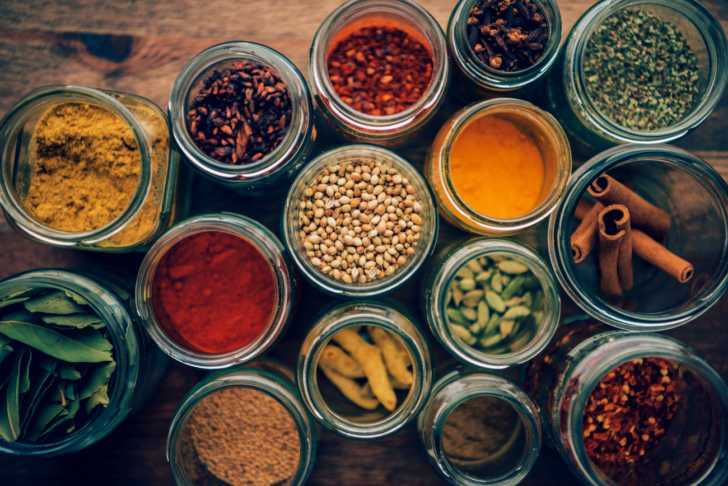
Storing these spices properly in airtight containers ensures long-lasting potency. With these key ingredients at your fingertips, you can recreate the magic of Spicyrranny cuisine anytime at home.
Frequently Asked Question:
Q1. What is Spicyrranny?
Spicyrranny is a culinary concept and lifestyle that celebrates bold, exotic flavors using spices from around the world. It blends global cooking traditions—especially from Asia, Latin America, and the Middle East—to create exciting, flavorful dishes.
Q2. What makes Spicyrranny cuisine different from other spicy food?
Unlike generic spicy food, Spicyrranny emphasizes flavor balance, cultural fusion, and spice layering. It’s not just about heat—it’s about using spices to create depth, aroma, and taste complexity in each dish.
Q3. Which spices are essential in Spicyrranny cooking?
Core spices include cumin, turmeric, paprika, coriander, garam masala, and chili flakes. These are often combined with herbs like cilantro, basil, or mint to create Spicyrranny’s signature bold and aromatic profiles.
Q4. Can beginners cook Spicyrranny recipes at home?
Absolutely! Spicyrranny recipes often come with step-by-step guides and spice measurement tips, making them beginner-friendly. Starting with simple dishes like spicy lentil soup or curried vegetables is a great entry point.
Q5. Are there vegetarian or vegan options in Spicyrranny cuisine?
Yes, Spicyrranny includes a wide range of plant-based dishes using lentils, chickpeas, tofu, and vegetables. Vegan adaptations often use coconut milk, cashew cream, and nutritional yeast to maintain richness without dairy.
Q6. Is Spicyrranny healthy?
Yes. Many Spicyrranny ingredients like turmeric, garlic, and ginger offer anti-inflammatory and digestive benefits. The cuisine also promotes whole foods, fresh herbs, and minimal processed ingredients.
Q7. What are some signature Spicyrranny dishes to try?
Must-try Spicyrranny dishes include Thai green curry, Indian biryani, Moroccan tagine, Ethiopian lentil stew, and spicy chocolate truffles. These showcase how spices can be used in both savory and sweet meals.
Q8. How can I reduce the heat in a Spicyrranny dish?
To tone down spice, add ingredients like yogurt, coconut milk, or a touch of sweetness (e.g., honey or sugar). You can also reduce chili quantity or opt for milder peppers like poblano or Anaheim.
Q9. Where can I find Spicyrranny recipes and tutorials?
Many food blogs and YouTube channels now feature Spicyrranny recipes. Look for detailed video tutorials or recipe collections with global spice focuses.
Q10. What tools do I need to start cooking Spicyrranny meals?
Basic tools include a mortar and pestle, spice grinder, cast iron skillet, Dutch oven, and a sharp chef’s knife. These help unlock maximum flavor from whole spices and traditional ingredients.
Conclusion:
Spicyrranny is more than a cooking style — it’s a flavorful journey that connects cultures through the power of spice. From ancient spice routes to your modern kitchen, it transforms everyday meals into bold, aromatic experiences. Whether you’re a beginner experimenting with chili flakes or a seasoned cook layering complex blends, Spicyrranny encourages creativity, balance, and cultural appreciation.
By building the right pantry, using essential tools, and understanding the art of flavor layering, anyone can bring this vibrant culinary philosophy to life. With every bite, Spicyrranny reminds us that cooking is not just about feeding the body — it’s about telling stories, sparking joy, and uniting people across the table.
Read More:


