
A probationary engineer is often the starting point for graduates who are entering the engineering profession. This period is not just a job trial but an important learning phase that helps fresh engineers bridge the gap between theoretical knowledge gained in universities and practical applications in real-world industries.
It allows them to experience the expectations of professional workplaces, understand the culture of corporate environments, and gradually learn how engineering projects function in real life.
Many companies use this probationary stage to shape engineers into long term assets for the organization, making it a critical step in any engineering career path.
A probationary engineer is a fresh graduate hired on a trial basis, gaining technical and professional experience while being evaluated for skills, adaptability, and potential permanent employment.
In This Article We Discuss’‘Probationary Engineer”
Who is a Probationary Engineer?
A probationary engineer is someone hired on a temporary or trial basis, usually after completing their academic studies. Unlike permanent employees, their position is subject to evaluation during a fixed period, commonly ranging from six months to two years.
During this time, the engineer is closely observed in terms of performance, learning capacity, discipline, and ability to adjust to the company’s work environment.
The role is designed to help employers judge whether the candidate has the potential to become a valuable permanent employee.
For the engineer, it is a chance to learn professional standards, refine technical expertise, and build credibility.
Role of a Probationary Engineer in Organizations

Probationary engineers are given an essential role in organizations because they bring fresh perspectives and energy. They often assist senior engineers, provide support in design and project implementation, and contribute to routine tasks such as documentation, quality checks, or site supervision. While they may not handle high-level responsibilities initially, their contribution is critical to maintaining workflow and ensuring project efficiency.
Organizations also rotate probationary engineers across different departments to expose them to multiple aspects of the business, helping them develop a well rounded skill set. This rotation also gives them clarity about their strengths and preferred areas of specialization.
Duties and Responsibilities of a Probationary Engineer
The duties of a probationary engineer are designed to prepare them for more complex roles in the future.
They are usually required to participate in ongoing projects, assist in technical reports, and observe standard procedures. In addition, they may be tasked with carrying out data collection, conducting feasibility studies, or even assisting in troubleshooting operational problems.
These responsibilities are not only about completing assignments but also about teaching engineers how to handle deadlines, communicate with teams, and maintain discipline in a professional setting. The responsibilities gradually expand as they prove their reliability and skills.
Skills Required for a Probationary Engineer
To succeed in the probationary period, an engineer needs a combination of technical and soft skills. Technical knowledge forms the foundation, including familiarity with engineering principles, design software, and industry standards.
However, employers increasingly focus on soft skills such as adaptability, critical thinking, problem-solving, teamwork, and communication. A probationary engineer must demonstrate curiosity and eagerness to learn, since industries evolve rapidly with new technologies.
Skills like time management and the ability to handle pressure are equally vital, as these qualities determine whether an engineer can sustain a long-term career in demanding environments.
Educational Qualifications for Probationary Engineers
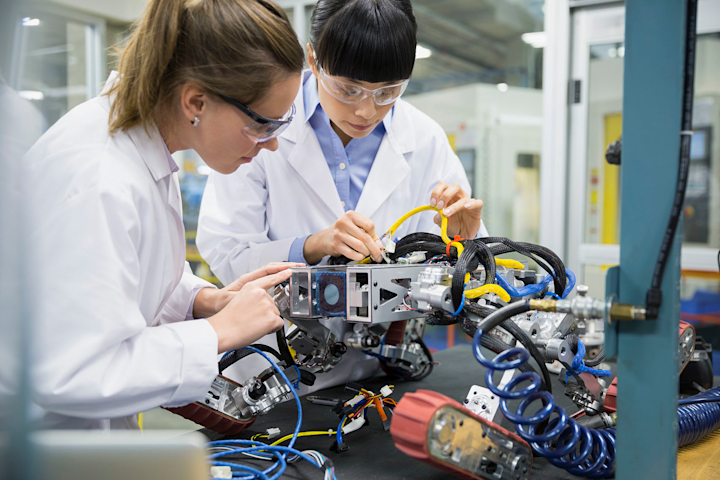
A bachelor’s degree in engineering is the minimum qualification required for most probationary engineer positions. Depending on the organization and industry, specialization in fields such as mechanical, electrical, civil, chemical, or software engineering may be required.
Some employers also prefer candidates with internship experience or industry exposure during their academic years. Advanced qualifications, such as master’s degrees or certifications in specialized software tools, can provide an additional edge.
While education provides theoretical knowledge, companies expect probationary engineers to apply this learning practically and adapt to real-world challenges.
Recruitment Process for Probationary Engineers
The recruitment of probationary engineers typically involves several stages to test their abilities. It may begin with an aptitude test that measures logical reasoning, quantitative ability, and basic technical knowledge.
This is followed by a technical interview where candidates are asked subject-specific questions to assess their understanding of engineering concepts. Finally, an HR interview evaluates the candidate’s personality, communication skills, and cultural fit within the company.
The process ensures that only candidates with the right blend of technical proficiency and interpersonal skills move forward to the probationary stage.
Training Period of a Probationary Engineer
The training period of a probationary engineer is the most critical stage of their professional growth. It usually ranges from six months to two years, depending on the organization and sector.
During this time, engineers undergo structured training programs that include technical workshops, safety training, software usage, and fieldwork. They are often paired with mentors or senior engineers to learn directly from experienced professionals.
The training period is a time of constant learning and adaptation, where engineers are expected to absorb knowledge, correct mistakes, and steadily improve their professional behavior and performance.
Technical Learning During Probation

Technical learning is a major focus during the probationary period. Engineers are exposed to industry-specific tools, design systems, project management software, and testing procedures.
For instance, civil engineers may learn about site inspections and structural analysis, while software engineers may be trained in coding practices, debugging, and software development life cycles. This learning phase helps engineers strengthen their theoretical base by applying it in practice. The real-world technical exposure gained during probation cannot be replicated in classrooms, making it one of the most valuable aspects of this period.
Soft Skills Development for Probationary Engineers
Employers recognize that technical knowledge alone does not guarantee success, which is why soft skills development is emphasized for probationary engineers. They are encouraged to build communication skills to interact effectively with clients and colleagues.
Time management is taught to help them meet deadlines, while leadership qualities are nurtured for future managerial roles. The probationary period also improves confidence, presentation skills, and decision-making abilities.
By the end of probation, a successful engineer is not only technically competent but also capable of handling interpersonal and organizational challenges.
Importance of Communication Skills in Probationary Period
Communication is one of the most valuable skills for a probationary engineer. From presenting ideas in meetings to writing reports or coordinating with teams, clear and professional communication is vital.
Employers closely observe how well engineers can explain technical concepts to non-technical audiences and how they interact with supervisors and peers.
Miscommunication in engineering can lead to costly mistakes, so engineers are trained to be precise, professional, and respectful in their communication. Developing this skill during probation ensures that they are prepared for greater responsibilities in the future.
Career Growth of a Probationary Engineer
The probationary stage lays the foundation for an engineer’s career growth. A strong performance during this time can open doors to higher positions, project leadership roles, and faster promotions.
Organizations often track the progress of probationary engineers and place them in departments that match their skills and interests. Those who excel are usually considered for advanced training programs or managerial development tracks.
On the other hand, poor performance may result in an extended probationary period or termination. Thus, career growth during this stage is directly linked to dedication and performance.
Challenges Faced by Probationary Engineers
Probationary engineers face several challenges as they adjust to the professional world. The pressure of proving themselves within a limited timeframe can be stressful. Many struggle to balance the expectations of senior engineers with their own learning curve.
Adapting to company culture, long working hours, and strict deadlines are also common challenges. Additionally, the fear of making mistakes often affects their confidence. However, these challenges are not obstacles but learning opportunities.
Engineers who overcome them develop resilience, maturity, and a better understanding of workplace realities.
Salary and Benefits of a Probationary Engineer
The salary of probationary engineers varies based on industry, location, and company reputation. While initial salaries may not be very high compared to experienced professionals, the probationary role offers long term rewards in terms of growth opportunities and skill development.
Benefits such as medical insurance, allowances, mentorship programs, and training opportunities are often included. Once probation is successfully completed, engineers generally receive a salary increment and additional perks.
The value of this period lies not only in earnings but also in the experience gained, which becomes invaluable for future career progression.
Performance Evaluation During Probation
Performance evaluation is an ongoing process during the probationary period. Employers monitor attendance, punctuality, ability to meet deadlines, technical competence, and teamwork. Engineers are often given small projects or tasks that test their abilities in real world scenarios.
Regular feedback sessions help them identify strengths and areas for improvement. Constructive criticism is an essential part of the process, as it helps probationary engineers refine their skills and work habits.
Consistent good performance leads to confirmation as a permanent employee, while repeated issues may result in probation extension or termination.
Transition from Probationary Engineer to Permanent Role
The transition from probationary engineer to a permanent role is a significant milestone in a professional’s career. It reflects the organization’s confidence in the engineer’s abilities and potential.
Once confirmed, engineers are trusted with greater responsibilities, including leading small teams, managing projects, or making independent technical decisions. They also receive better pay and long-term career stability.
This transition not only boosts confidence but also sets the stage for future advancements in leadership and specialized roles.
Importance of Mentorship for Probationary Engineers

Mentorship is one of the most valuable resources for probationary engineers. Senior engineers provide guidance, share industry insights, and help new engineers navigate challenges.
A mentor not only explains technical processes but also teaches workplace etiquette, communication strategies, and professional behavior.
Having a mentor during probation shortens the learning curve and gives engineers the confidence to handle tasks independently. Many successful professionals attribute their early career growth to the support of good mentors.
Opportunities After Probation Period
Once the probationary period is completed successfully, engineers have a wide range of opportunities. They can choose to specialize in technical roles, move towards project management, or pursue research and development.
Some may opt for further studies, such as master’s degrees or professional certifications, to expand their career prospects. Opportunities also open up for international placements or inter-departmental transfers, depending on the company.
The experience gained during probation makes engineers highly employable in competitive markets.
Tips for Success as a Probationary Engineer
Success during probation depends on an engineer’s attitude and performance. Maintaining discipline, showing enthusiasm, and being willing to learn are key factors.
Engineers should ask questions when in doubt, accept feedback positively, and work on continuous improvement. Building strong professional relationships with colleagues and supervisors also enhances workplace harmony. Keeping a proactive mindset and contributing ideas can make a probationary engineer stand out from others.
Conclusion
The probationary engineer role is more than just a temporary position; it is the foundation of a professional career. This period shapes fresh graduates into skilled, confident, and industry-ready professionals.
By focusing on technical growth, soft skills, and adaptability, probationary engineers can secure successful long-term careers.
As industries continue to evolve with technology, the demand for skilled and adaptable engineers will always remain high, making the probationary period an essential stepping stone to future success.
FAQs
1. What is a probationary engineer?
A probationary engineer is a fresh graduate hired on a trial basis, where their performance, learning ability, and adaptability are evaluated before offering a permanent role.
2. How long is the probationary period for engineers?
The probationary period usually lasts six months to two years, depending on the company, industry, and organizational policies. Performance during this period determines permanent employment.
3. What are the duties of a probationary engineer?
Probationary engineers assist senior staff, contribute to projects, prepare reports, learn company processes, and gradually take responsibility while improving technical and soft skills.
4. What qualifications are required to become a probationary engineer?
A bachelor’s degree in engineering or a related field is the minimum requirement. Some companies prefer candidates with internships, certifications, or prior project exposure.
5. What skills are important for probationary engineers?
Essential skills include technical knowledge, problem-solving, adaptability, communication, teamwork, and time management. A willingness to learn and accept feedback is also highly valued.
6. How are probationary engineers evaluated?
Employers monitor their technical performance, punctuality, discipline, communication, and teamwork. Feedback sessions and small project tasks are used to measure overall progress and improvement.
7. Do probationary engineers receive training?
Yes, probationary engineers undergo structured training programs that include technical workshops, software learning, safety training, and on-the-job exposure to industry practices.
8. What challenges do probationary engineers face?
Common challenges include adjusting to corporate culture, handling deadlines, managing stress, and balancing theoretical knowledge with practical applications in a professional environment.
9. What happens after successful probation?
After successful probation, engineers are offered permanent positions with increased responsibilities, higher salaries, and opportunities for career advancement within the organization.
10. Can probationary engineers be terminated?
Yes, if performance is unsatisfactory or organizational standards are not met, the probation period may be extended, or the engineer’s employment may be terminated.
Read more
Fourscore Coffee—A Complete Guide for Coffee Lovers!
Delta Flight DL275 Diverted LAX—A Complete Story and Insights!
CLCU Online and Modern Digital Credit Union Banking – Everything You Need to Know
Why German Shorthaired Pointer SC is the Extraordinary Dog You Need to Know!